
In an era defined by digital transformation and mobility, tablet computers have evolved from luxury gadgets into essential tools that deliver practical, real-world solutions across industries and everyday life. With their sleek design, powerful processing capabilities, and versatile functionality, tablets are addressing real-life challenges with efficiency, flexibility, and innovation.

1.Bridging the Education Gap
In both urban and remote classrooms, tablets are helping close the education gap. Students in underserved areas gain access to digital learning resources, interactive textbooks, and online tutoring platforms through tablets. Teachers use them to deliver personalized instruction, track student progress, and conduct assessments in real time. During emergencies or pandemics, tablets ensure uninterrupted learning through remote education.

2.Empowering Mobile Workforces
For field service technicians, sales representatives, and delivery personnel, tablets serve as mobile offices. Equipped with GPS, barcode scanners, and secure data access, tablets streamline workflows—enabling real-time job updates, digital signatures, and instant reporting. This not only increases productivity but also enhances customer satisfaction through faster, more accurate service.
3.Revolutionizing Healthcare Delivery
Hospitals and clinics are leveraging tablets to improve patient care and operational efficiency. Doctors use tablets to access electronic health records (EHR), review lab results, and prescribe medications at the point of care. Nurses update patient charts on the go, reducing paperwork and minimizing errors. Tablets also support telehealth consultations, bringing quality healthcare to rural and home-bound patients.

4.Enhancing Retail and Customer Experience
Retailers are using tablets to create seamless, personalized shopping experiences. Sales associates use tablets to check inventory, process mobile payments, and place orders for out-of-stock items. Digital price tags, loyalty program integration, and augmented reality (AR) product previews—all powered by tablets—elevate the in-store experience and drive sales.

5.Supporting Creative Professionals On the Go
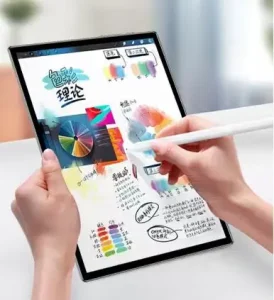
Photographers, illustrators, and video editors rely on tablets for on-location editing and client presentations. With high-resolution displays and professional-grade apps, tablets allow creatives to retouch images, sketch concepts, and edit videos without needing a full studio setup. This mobility accelerates project turnaround and fosters greater artistic freedom.

6.Streamlining Logistics and Inventory Management
In warehouses and distribution centers, tablets equipped with scanning and tracking software help manage inventory in real time. Workers can quickly locate items, update stock levels, and generate shipping labels, significantly reducing human error and operational delays. Cloud synchronization ensures data is always up to date across teams and locations.
7.Enabling Smart Home and Elderly Care
Tablets act as central control panels for smart homes—managing lighting, climate, security cameras, and appliances through a single interface. For elderly or disabled individuals, tablets provide easy access to emergency alerts, medication reminders, and video calls with caregivers, promoting independence and safety.
8.Facilitating Travel and Multilingual Communication
Travelers use tablets for navigation, translation, and itinerary management. Real-time language translation apps break down language barriers, while offline maps and travel guides ensure smooth journeys even without internet access. Tablets also serve as digital passports and boarding pass holders at many airports worldwide
Regional Differences in Tablet Solutions: Adapting to Local Needs
While tablets offer universal benefits, their implementation varies significantly across regions due to diverse economic, infrastructural, and cultural contexts. Key regional differences in tablet adoption and solutions include:
Developed Regions (e.g., North America, Europe, Japan):
- Advanced Integration: Tablets are deeply integrated with AI, 5G, and IoT, enabling sophisticated applications like AR/VR in education and remote surgery in healthcare.
- High-End Devices: Enterprises prioritize tablets with enterprise-level security, ruggedized designs for outdoor use, and specialized accessories (e.g., styluses, detachable keyboards).
- Focus on Innovation: Solutions emphasize efficiency and user experience, such as AI-powered diagnostics in healthcare or personalized retail AR try-ons.
- Challenges: Data privacy regulations and high costs of advanced technologies pose implementation barriers.
Emerging Markets (e.g., Southeast Asia, Latin America, India):
- Affordable Solutions: Entry-level tablets with offline capabilities and long battery life are crucial for regions with intermittent internet access.
- Multilingual Support: Built-in translation tools and local language interfaces cater to diverse linguistic populations.
- Education Prioritization: Tablets are pivotal in bridging the digital divide, providing access to online courses and digital textbooks in remote areas.
- Challenges: Limited infrastructure (e.g., unreliable electricity, poor connectivity) drives demand for rugged, solar-powered tablets.
Remote and Underserved Areas (e.g., Sub-Saharan Africa, Rural Asia):
- Community-Centric Models: Tablets are often shared in communal learning centers or health clinics to maximize resource utilization.
- Offline Content: Preloaded educational and medical content (e.g., offline textbooks, health databases) ensures functionality in areas with no internet.
- Sustainability Features: Devices feature water resistance, shockproof casings, and solar charging options to withstand harsh environments.
- Challenges: Training local staff to use tablets effectively and maintaining equipment in resource-scarce settings.
Middle East & North Africa (MENA):
- Cultural Adaptation: Solutions prioritize cultural sensitivity, such as Arabic interface customization and gender-specific access in conservative regions.
- Government-Led Initiatives: National programs often drive tablet adoption, e.g., “One Tablet per Student” campaigns in UAE and Saudi Arabia.
- Focus on Digital Transformation: Tablets are pivotal in government digitization efforts, such as e-governance services and digital voting.
The Power of Simplicity and Connectivity What sets tablets apart is their ability to combine simplicity with powerful functionality. With long battery life, instant-on capability, and seamless integration with cloud services and IoT devices, tablets offer reliable solutions in dynamic environments.
Post time: Nov-25-2025