
1. Introduction
In today’s fast-paced and digitally driven business environment, organizations are continuously seeking innovative ways to enhance productivity, streamline operations, and improve employee mobility. One such innovation that has significantly impacted the workplace is the adoption of tablet devices. This case study explores how Global Logistics Solutions (GLS), a mid-sized supply chain management company, successfully integrated tablets into its daily operations, resulting in measurable improvements in efficiency, communication, and customer service.

2. Background and Challenges
GLS operates across 15 distribution centers and serves over 300 clients nationwide. Prior to the digital transformation, the company relied heavily on paper-based processes, desktop workstations, and handheld barcode scanners for inventory management, order processing, and delivery verification. Key challenges included:
- Delays in data entry and reporting due to manual processes.
- Limited mobility for warehouse staff and field operatives.
- High error rates in order fulfillment and inventory tracking.
- Inefficient communication between on-site teams and central offices.
These inefficiencies were affecting customer satisfaction and increasing operational costs.
3. The Solution: Implementing Tablet Technology
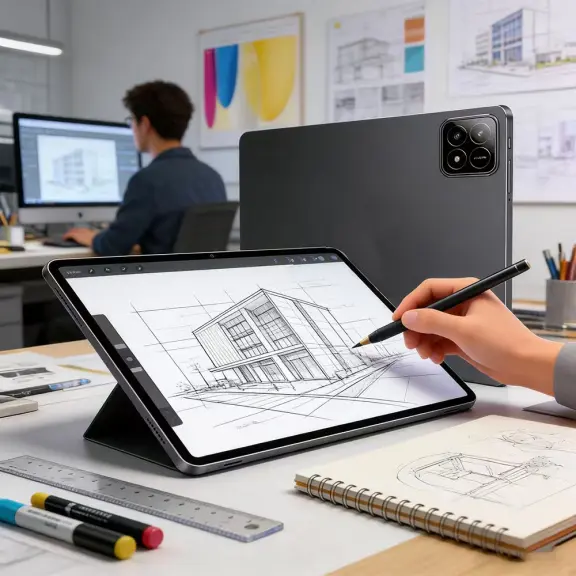
To address these challenges, GLS launched a 12-month digital transformation initiative centered on the deployment of enterprise-grade tablet devices. The company partnered with a leading technology provider to customize a tablet solution integrated with its existing ERP (Enterprise Resource Planning) and WMS (Warehouse Management System).
Key Features of the Implementation:
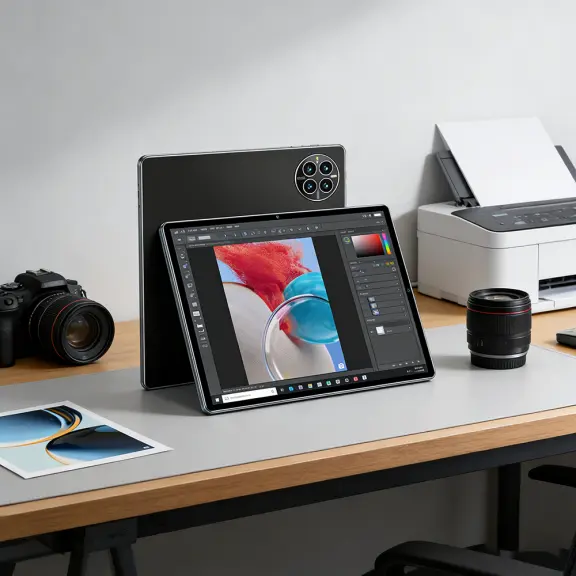
- Device Deployment:500 tablets were distributed to warehouse supervisors, inventory clerks, delivery drivers, and field service managers.
- Custom Software:Tablets were equipped with a proprietary app that enabled real-time access to inventory data, order tracking, digital signing, GPS navigation, and instant messaging.
- Cloud Integration:All data entered on tablets was synchronized instantly with the central database via secure cloud connectivity.
- Training and Support:A comprehensive training program was delivered in-person and through interactive e-learning modules on tablets themselves. Technical support was made available 24/7.
4. Use Cases in Daily Operations
a) Warehouse Management
Warehouse staff used tablets to scan barcodes, update stock levels, and manage pick-and-pack operations. The touch interface allowed for quick data input, reducing processing time by 40%. Real-time alerts notified managers of low stock or misplaced items.
b) Field Operations and Deliveries
Delivery drivers used tablets to access optimized route plans, view delivery schedules, and obtain electronic signatures upon completion. Customers appreciated the professional and paperless experience, and proof of delivery was instantly uploaded to the system.
c) Management and Reporting
Supervisors used tablets to generate daily performance reports, monitor KPIs, and communicate with head office. Dashboards provided visual analytics, enabling faster decision-making.
d) Client Interaction
Sales and service representatives used tablets during client visits to present digital catalogs, process orders on-site, and update contracts—reducing turnaround time from days to hours.
5. Results and Benefits
Within one year of implementation, GLS achieved the following outcomes:
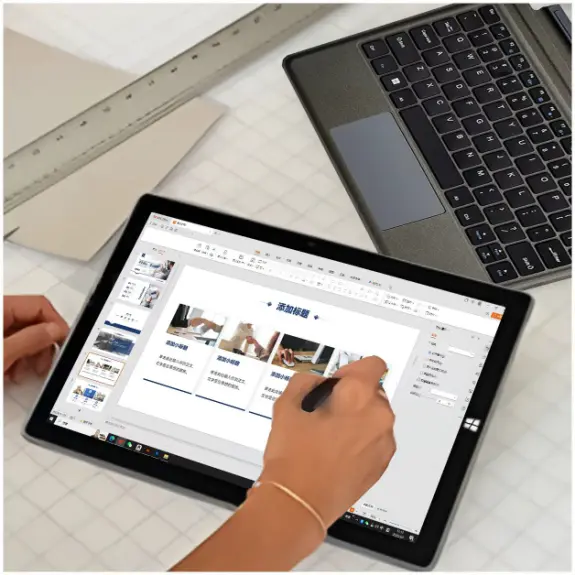
- 30% increase in operational efficiencyacross warehouses and delivery units.
- 50% reduction in data entry errorsdue to real-time digital input.
- 25% improvement in on-time delivery rates.
- 20% reduction in administrative costsfrom eliminating paper-based workflows.
- Higher employee satisfaction,with 89% of staff reporting that tablets made their jobs easier and more organized.
- Improved customer feedback,with a 35% rise in customer satisfaction scores.

6. Challenges and Lessons Learned
Initial challenges included resistance to change from long-tenured employees and occasional connectivity issues in remote warehouses. These were mitigated through:
- Change management workshops emphasizing the benefits of digital tools.
- Deployment of portable Wi-Fi hotspots in low-connectivity areas.
- Continuous feedback loops to refine the app based on user input.

7. Conclusion
The integration of tablet devices at Global Logistics Solutions demonstrates how modern technology can revolutionize traditional workflows. By replacing outdated processes with mobile, real-time solutions, GLS not only enhanced productivity and accuracy but also fostered a culture of innovation and agility. The success of this initiative has positioned GLS as a leader in digital transformation within the logistics industry.
This case underscores a broader truth: in the modern workplace, tablets are no longer just consumer devices—they are powerful tools for professional empowerment, operational excellence, and competitive advantage.
Keywords: tablet in the workplace, digital transformation, enterprise tablets, operational efficiency, mobile technology, logistics management
Post time: Jan-19-2026