
1. Introduction
In recent years, the integration of digital technology into education has become a global priority, especially in the re-education sector, where learners often face unique challenges such as interrupted schooling, limited access to resources, and diverse learning needs. To address these issues, a pioneering collaboration was launched between EduFuture Foundation, a non-profit organization dedicated to educational innovation, and TechLearn Inc., a leading educational technology company. This partnership aimed to leverage tablet devices to transform teaching and learning experiences in re-education centers across underserved regions.
2. Objectives
The primary goals of the collaboration were:
- To improve access to quality educational content for re-education learners.
- To enhance student engagement and motivation through interactive learning.
- To support teachers with digital tools for personalized instruction.
- To bridge the digital divide by equipping learners with essential 21st-century skills.
3. Implementation Strategy
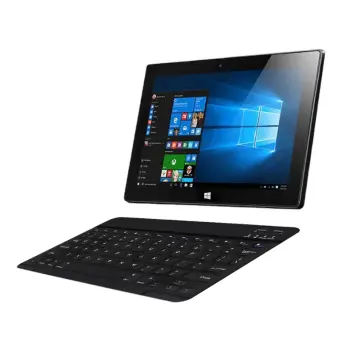
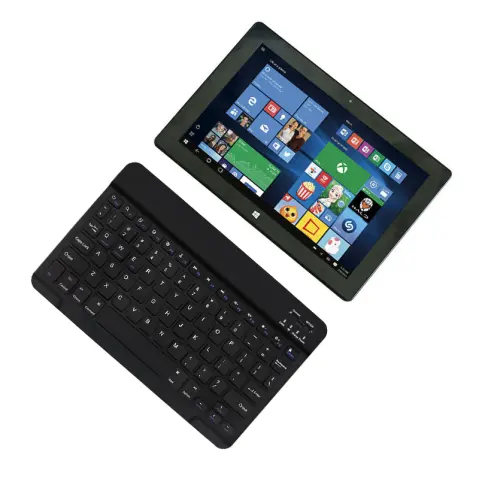
The project was piloted in five re-education centers in rural and urban marginalized areas, serving over 1,200 learners aged 15–25. Each center received a batch of 100 rugged, child-safe tablets preloaded with curated educational applications, e-books, video lessons, and offline learning platforms. The tablets were designed to function in low-connectivity environments, with content updated via secure USB drives on a weekly basis.
Key components of the implementation included:
- Teacher Training:A comprehensive 3-week digital pedagogy training program was delivered to 75 educators, focusing on tablet management, content delivery, and student progress tracking.
- Customized Learning Paths:Adaptive learning software was installed to allow learners to progress at their own pace, with emphasis on foundational literacy, numeracy, vocational skills, and digital literacy.
- Monitoring and Evaluation:A cloud-based dashboard (accessible when connectivity was available) enabled real-time tracking of student engagement, assessment results, and device usage.
4. Outcomes and Impact
After 12 months, the program demonstrated significant improvements:
- Learning Gains: Standardized assessment scores increased by an average of 38% in literacy and 42% in mathematics compared to baseline data.
- Engagement: Attendance rates rose by 29%, and 87% of learners reported higher motivation to attend classes.
- Digital Competency: Over 90% of participants gained basic digital literacy skills, with many expressing interest in pursuing tech-related vocational training.
- Teacher Empowerment: Educators reported increased confidence in using technology and a greater ability to identify and support struggling learners.

5. Challenges and Solutions
Challenges encountered included initial resistance from some educators, device maintenance issues, and limited internet access. These were addressed through:
- Ongoing technical support and monthly refresher workshops.
- Establishment of on-site “Digital Champions” — trained staff responsible for device management.
- Use of offline-first applications and local content caching.
6. Sustainability and Scalability
To ensure long-term impact, the partnership developed a sustainability model involving:
- Government co-funding for device replacement cycles.
- Integration of the tablet program into the national re-education curriculum.
- A train-the-trainer approach to expand teacher capacity.
The success of the pilot led to scaling the initiative to 20 additional centers in the following year, supported by a public-private funding coalition.
7. Conclusion
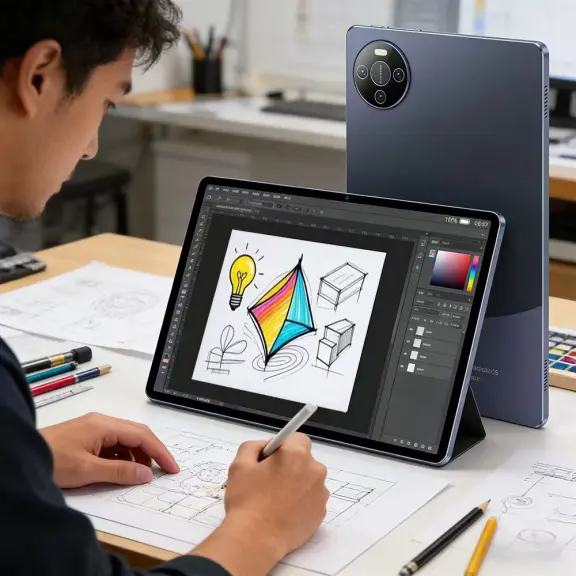
This collaboration between EduFuture Foundation and TechLearn Inc. exemplifies how strategic partnerships and appropriate technology can revolutionize re-education. By placing tablet devices at the heart of learning, the project not only improved academic outcomes but also empowered learners with the skills and confidence needed to reintegrate into society and the workforce. It stands as a model for how technology, when thoughtfully implemented, can drive equitable and inclusive education.
Keywords: tablet devices, re-education, digital learning, educational technology, partnership, inclusive education
Post time: Feb-19-2026