
Ubuchwepheshe buhamba ngokushesha ngendlela emangalisayo. You might be buying standard tablets or a basic laptop for a school district today. However, the real magic of the future happens far away in massive data centers. Giant machines process mountains of information to make our everyday electronics smarter and faster. This post explains how massive compute power and AI shape the gadgets we all rely on. Read on to see how tomorrow’s consumer hardware is being designed by today’s most advanced systems.
What Exactly Is a Supercomputer and How Does It Compute?
A supercomputer is essentially a highly ikhompuyutha enamandla. It is specifically designed to run massive tasks. It can easily solve complex problems ukuthi umshini ovamile awukwazi ukuwuphatha. Lapho onjiniyela bekala i- ukusebenza kwe-supercomputer, they do not look at standard clock speeds like you would on a home PC. Instead, its speed is kukalwa emisebenzini yephoyinti elintantayo ngokwe second. We commonly call this a flop.
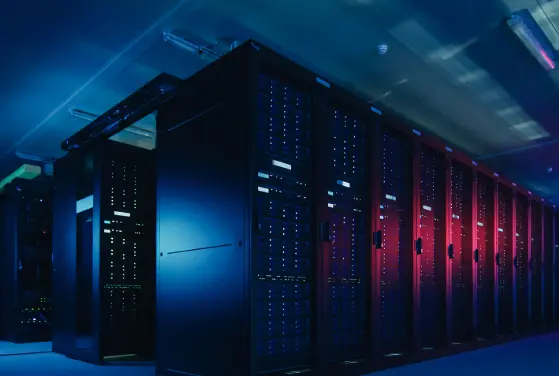
To reach this incredible level of performance, a single I-supercomputer ingaqukatha amashumi ezinkulungwane zamaprosesa. These small parts work very closely together to act as one giant brain. Massive supercomputers are made izingcezu zomzimba ezincane ezikhona kuqoqwe kumanodi wokubala. Lezi compute nodes tackle tiny pieces of a huge puzzle at the same time. Bacubungula izigidigidi ze calculations per second at a dizzying rate.
This massive hlanganisa amandla abaluleke kakhulu kwesimanje I-AI. Whether predicting shopping trends or training smart voice assistants, I-AI needs vast resources. Supercomputers are also used to test software and hardware designs that eventually land on consumer devices. Every new tablet or smartphone benefits from the heavy lifting done by a supercomputer long before the product hits the shelves.
How Did Supercomputing Begin in Computer History?
The story of supercomputing started many decades ago. I first supercomputer was born when early scientists and military engineers wanted more speed. Seymour Cray was a legendary figure in this early era. He designed the famous CDC 6600 while working at Control Data Corporation. Many historians call the CDC 6600 the true starting point of modern computer technology.
Before that machine arrived, other projects like the IBM 7030 existed. Specifically, the IBM 7030 Stretch tried to push the boundaries of what a machine could do. Nokho, Seymour Cray used clever cooling designs and dense wiring to make his machine much faster. Ngaphambili supercomputers use unique wiring patterns to reduce signal delays between parts. They were vastly different from anything else built at the time.
Back in those early days, a machine's speed was sometimes simply rated in million instructions per second. That seems incredibly slow today! Now, modern I-AI models demand much more than that. But those early days set the stage. They proved that humans could build massive machines to handle crazy math.
Why Are Regular Computers Different From a High-Performance Computer?
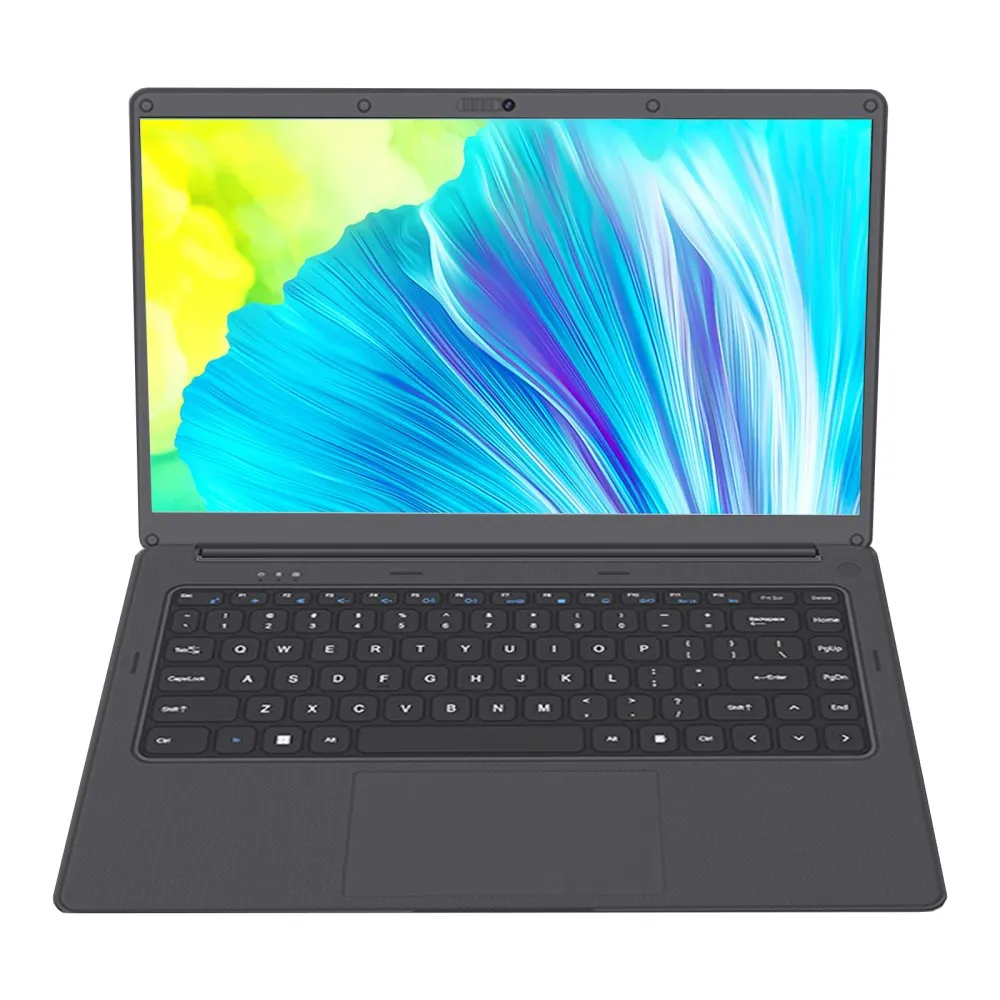
Think about the device sitting on your desk right now. A standard desktop or a business 16 inch laptop ds160n95 is great for daily work. Regular computers usually have a single main iprosesa. They might have a handful of CPU cores. But a high-performance computer is a totally different beast entirely.
A basic computer system handles one person's tasks at a time. It might use a standard isistimu esebenzayo like Windows or Android. In contrast, massive research machines contain tens of thousands of parts. They have tens of thousands of nodes working at once. When you type on a i-laptop, it feels very fast to you. But it cannot run a global I-AI simulation or model the human genome.
Your everyday amakhompyutha womuntu siqu are built for low cost, portability, and low heat. A giant facility must carefully manage extreme ukusetshenziswa kwamandla. A standard i-laptop sips battery power slowly. A massive data facility uses enough power to light up a small town!
- Laptop: 1 CPU, 8-16 GB RAM, runs on battery, built for 1 user.
- Supercomputer: Millions of cores, petabytes of RAM, needs a power plant, built for huge datasets.
How Does Parallel Processing Optimize a Computer Cluster?
To make machines faster, engineers link thousands of them together. This creates a giant network called a iqoqo. Inside a iqoqo, parts must talk fast. They use a special, high-speed interconnect cable system. This helps to nokwandisa the data flow between all the parts.
Engineers use parallel processing to split the workload. Basically, supercomputing is a form kwe parallel processing. It breaks a huge job into tiny bits. Then, hundreds or thousands of chips solve those bits at the exact same time. This simple idea of parallelism is what makes the magic happen. Think of it like cooking a giant meal: one chef takes a long time, but a hundred chefs working together finish in minutes.
The word I-supercomputing ngezinye izikhathi isetshenziswa ngendlela efanayo nge HPC (high performance computing). To manage a heavy umthwalo womsebenzi, the controlling software must be very smart. Namuhla, I-AI programs are built to spread out perfectly across a iqoqo. This technique is called massively parallel processing. Inikeza lonke uhlelo ngendlela engakholeki throughput and efficiency.
How Will AI Push the Boundaries of Computational Power?
Namuhla, I-AI is the biggest driver of the tech industry. Training a new I-AI requires a massive amount of ukubala. There are specific problems that require extreme math to solve. I izibalo eziyinkimbinkimbi nezinkulu ezisetshenzisiwe by neural networks are staggering. In fact, the izibalo ezinkulu ezisetshenziswa ama-supercomputers today are almost mostly for I-AI research.
To handle this heavy computational umthwalo, ama-chips ajwayelekile awanele. We rely heavily on amayunithi wokucubungula ihluzo noma GPUs. A umfanekiso i-chip iphelele ngokuphelele I-AI. It does many simple math problems at the same time. Izinkampani ezifana Intethende and Nvidia build specific parts just for this reason.
Lezi I-AI imisebenzi ithuthukisa amagajethi owathenga nsuku zonke. Isibonelo, izici zekhamera ehlakaniphile kweyethu10.1 Inch Tablet X12 Pro rely on I-AI models that were originally trained on massive machines. The incredible amandla okucubungula of a giant facility eventually makes your small tablet smarter and more helpful.
Cloud Computing vs. Local HPC: Which Wins for Large-Scale AI?
Not everyone has the money to buy a giant server facility. This is exactly where cloud computing steps in. Cloud computing ivumela izinkampani ziqashe amandla nge-inthanethi. Uthola ukusebenza okuphezulu kwekhompyutha without having to build a giant, noisy room full of servers.
Ngoba large-scale I-AI amaphrojekthi, ifu liyamangalisa. Ungakwazi ukuqasha ucezu oluncane lwe i-supercomputer eshesha kakhulu emhlabeni for just a few hours. I high-performance computing umhlaba uwamukele ngokugcwele lo mbono. It makes HPC ifinyeleleke kumabhrendi amancane nasezikoleni.
However, owning local hardware still matters for some. Some highly secure data cannot go to the public cloud. So, companies build their own mini HPC rooms. Whether you rent it online or buy it, you need massive hlanganisa resources to stay competitive in today's I-AI race.
"The cloud democratized access to extreme compute power. Now, any startup can train an AI model."
How Is Weather Forecasting Changing Thanks to Supercomputing?
One classic use case for massive machines is weather forecasting. Ama-Supercomputers angasetshenziswa to predict severe storms and climate shifts. Agencies like the National Oceanic and Atmospheric Administration rely heavily on them. They ingest billions of data points from satellites every day.
They use this ocean of data to accurately simulate the atmosphere. By doing this, they can predict extreme weather events days before they happen. They provide real-time warnings that save lives and property. This requires doing complex math millions of times per second.
I computational models for weather are quite similar to I-AI models. They both need massive amounts of data to learn. A single ukubala might not take long for a normal ikhompuyutha. But doing billions of them at once requires serious, dedicated power.

What Is the Role of Special Purpose Supercomputers in AI?
Sometimes, a general machine is simply not the best tool for the job. This is when special purpose supercomputers shine. They are built from the ground up for one specific job. Banjalo designed to run one exact type of ukubala perfectly, without wasting energy on anything else.
For example, researchers build machines just to study quantum mechanics. The physical architecture is tuned exclusively for that exact science. Kwe I-AI world, companies build custom chips just for neural networks. These are not regular computers that run a browser or a word processor.
Because they focus entirely on one thing, they are incredibly efficient. They can easily be 10 times faster at that one job than a general machine. They do not waste energy on an everyday isistimu esebenzayo. They just crunch the numbers they were built to crunch. Lokhu high performance allows for breakthroughs in I-AI lokho kwakungenakwenzeka eminyakeni eyishumi edlule.
Ingabe i-Supercomputer One Day Izongena Ku-Laptop?
Tech always shrinks over time. The very fastest supercomputer from twenty years ago barely had the power of a modern smartphone. So, will today's giants eventually fit into a small i-laptop? The answer is both yes and no.
Modern supercomputers are physically massive. For instance, some machines reach a breathtaking speed of 442 petaflops. (A petaflops is one quadrillion floating-point operations per second). You simply won't fit that much heat and energy in a i-laptop anytime soon! A device like our 14.1 Intshi eboshwe nge-laptop ds141 is extremely tough, but it can't handle the megawatts of ukusetshenziswa kwamandla needed for that.
Nokho, i iprosesa inside your home ikhompuyutha will keep getting much better. A single umnyombo today is many times faster than old mainframes. We now have parts from Intethende that rival entire server rooms from the 1990s. Your future i-laptop will handle local I-AI imisebenzi kalula ngendlela emangalisayo.
What Does the Field of Computational AI Look Like Tomorrow?
The exciting field of computational science is blending totally with I-AI. We see giant systems operating at places like Los Alamos National Laboratory futhi Oak Ridge National Laboratory. They constantly push the absolute limits of what a ikhompuyutha can do.
Future machines will seamlessly blend normal central processing units with brand new tech. We will see more specialized vector computers being used. A i-vector i-chip yinhle ezinhlotsheni ezithile zezibalo lokho I-AI loves. They will use massively parallel processing to train I-AI even faster than today.
The top ama-supercomputers emhlabeni uzogcina ukwephula amarekhodi amasha esivinini. Ngokushesha, sizokhuluma ngama-exaflops esikhundleni sokuthi petaflops. And all this computational amandla ekugcineni azokwehlela kithi. It will make every ikhompuyutha we use—from the servers in the cloud to the tablet in your hand—better, faster, and much smarter.
Isifinyezo
Njengoba sibheka ukugxuma okumangalisayo phakathi hlanganisa technology, it is clear that massive processing shapes our future. From training advanced I-AI to forecasting the weather, extreme hardware is the invisible backbone of modern life.
- A supercomputer is a massive ikhompuyutha yakhelwe ukusebenzisa izibalo eziyinkimbinkimbi ngokushesha okukhulu.
- Performance is mostly kukalwa emisebenzini yephoyinti elintantayo ngokwe second, known as a flop.
- I-AI relies heavily on the computational power provided by amayunithi wokucubungula ihluzo (GPUs).
- Modern facilities use parallel processing ukuhlukanisa umsebenzi omkhulu hundreds or thousands of chips.
- Cloud computing kwenza high-performance computing ifinyeleleke kumabhizinisi amancane.
- I field of computational science continues to grow, pushed forward by labs and new iprosesa designs.
Isikhathi sokuthumela: Mar-05-2026