
The global notebook market is currently experiencing a significant price increase, with leading brands such as Apple, Dell, HP, Lenovo, and Asus raising prices across their product lines. This upward trend has sparked widespread discussion among consumers, educators, and businesses. Industry experts and market analysts point to several interconnected factors driving this hike, reflecting broader shifts in supply chains, material costs, and geopolitical dynamics. Here’s an in-depth analysis:

-
Supply Chain Disruptions and Component Shortages
- Semiconductor Chip Crisis: The ongoing chip shortage, exacerbated by geopolitical tensions and capacity constraints, has directly impacted notebook production. The reliance on Asia-Pacific manufacturing hubs, particularly in regions facing trade restrictions or production pauses, has led to delays and increased costs.
- Key Component Price Surge: Costs of essential components like DRAM, NAND flash memory, and high-performance CPUs have spiked due to limited supply and rising demand from AI, gaming, and data-centric industries. For example, SSD prices have risen by 15-20% in Q1 2026 (source: TrendForce report), directly inflating notebook manufacturing costs.
-
Inflationary Pressures and Raw Material Costs

- Global Inflation: Rising energy prices, labor costs, and material expenses (e.g., aluminum, plastics) have cascaded through the supply chain. The war in Ukraine’s impact on energy markets and China’s industrial output fluctuations have further destabilized pricing.
- Shipping and Logistics Challenges: Post-pandemic logistics bottlenecks, port congestion, and higher freight rates persist. Notebooks, often shipped from Asia to Western markets, incur additional costs due to longer transit times and container shortages.
-
Technological Advancements and Premiumization
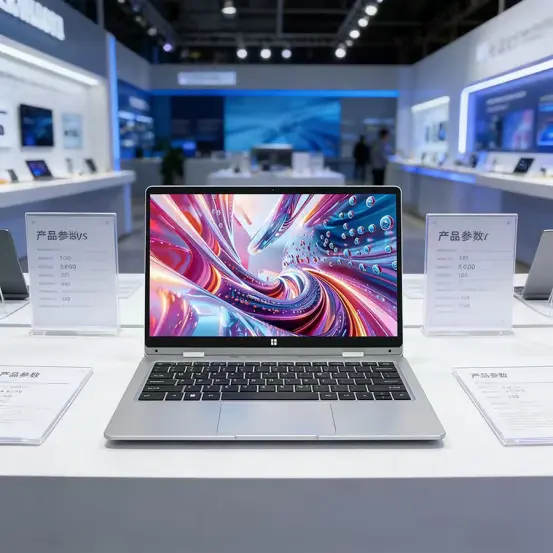
- High-End Spec Demand: Growing consumer demand for AI-capable laptops, 4K displays, longer battery life, and thinner designs has driven manufacturers to adopt costlier components (e.g., Mini-LED screens, PCIe Gen 5 SSDs). Brands are also shifting product mixes toward higher-margin premium models.
- Software and Ecosystem Costs: Bundled services (e.g., cloud storage, AI assistants) and subscription models add to the overall price tag. OEM partnerships with software providers further contribute to increased costs.
-
Geopolitical Shifts and Trade Dynamics

- Tariffs and Trade Barriers: Ongoing trade tensions between major economies have led to import duties on electronic components and finished products. For instance, tariffs on notebook imports in certain regions have added 10-15% to retail prices.
- Regional Manufacturing Shifts: Diversification efforts (e.g., “China+1” strategies) to reduce reliance on single sourcing locations have increased setup and operational costs for tech companies.
-
Post-Pandemic Demand Dynamics

- Sustained Remote Work Trends: The shift to hybrid work models has maintained high notebook demand, particularly for business-grade laptops. Shortages in meeting this sustained demand have given manufacturers pricing leverage.
- Educational Market Pressures: Schools and universities’ reliance on devices for digital learning has created stable demand streams. However, budget constraints in the education sector clash with rising costs, potentially impacting accessibility.
Industry Insights and Future Outlook
- Expert Commentary: “[Notebook prices will likely remain elevated until supply chain bottlenecks ease and component costs stabilize. Brands are also balancing profitability with consumer sensitivity, but the current environment favors price adjustments upward],” says Dr. Li Wei, Tech Analyst at Gartner.
- Potential Mitigating Factors: Improvements in chip fabrication capacity (e.g., new fabs in the US and Europe) and geopolitical détente could alleviate some pressures by late 2026. However, experts warn that structural changes in global manufacturing may keep costs higher than pre-pandemic levels.
- Consumer Implications: Buyers should anticipate continued price hikes, particularly for high-spec models. Secondhand markets and refurbished devices may offer more affordable options.
Call to Action
Educational institutions and businesses are advised to plan purchases strategically, considering long-term cost vs. feature requirements. Governments and NGOs are encouraged to explore subsidies or tech refresh programs to ensure equitable access to essential devices.
Post time: Mar-11-2026