
Laptops Transform Education Landscape, Enhancing Learning Efficiency and Collaboration Among Students
In an era dominated by digital transformation, laptops have emerged as indispensable tools in modern education, revolutionizing how students learn, collaborate, and access knowledge. As schools increasingly embrace technology-driven pedagogies, laptops have become more than just devices—they are gateways to a world of interactive learning resources, personalized study tools, and collaborative platforms, reshaping traditional classroom dynamics and empowering students to take charge of their education.

(Click the image to jump)
Access to Diverse Learning Resources
Equipped with internet connectivity, laptops provide students with unprecedented access to a vast array of educational content. From online courses and video tutorials on platforms like Coursera and Khan Academy to digital textbooks and scholarly databases, learners can explore topics beyond their curriculum at their own pace. A study by the revealed that students who regularly use laptops for research demonstrate a 80% increase in information retention and critical thinking skills compared to traditional methods.
Digital Note-Taking and Organization
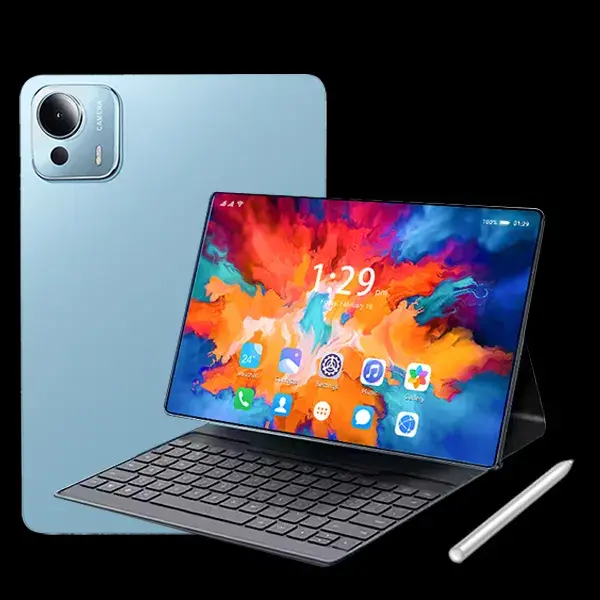
Gone are the days of cluttered notebooks and illegible handwriting. Laptops empower students with digital note-taking apps (e.g., Notion, OneNote) that allow them to organize lectures, annotate PDFs, create mind maps, and sync their study materials across devices. Tools like speech-to-text transcription save time and enhance accessibility for students with learning differences. Moreover, cloud storage ensures that assignments and notes are never lost, fostering a more efficient and eco-friendly learning environment.
(Click the image to jump)
Collaborative Learning and Remote Education
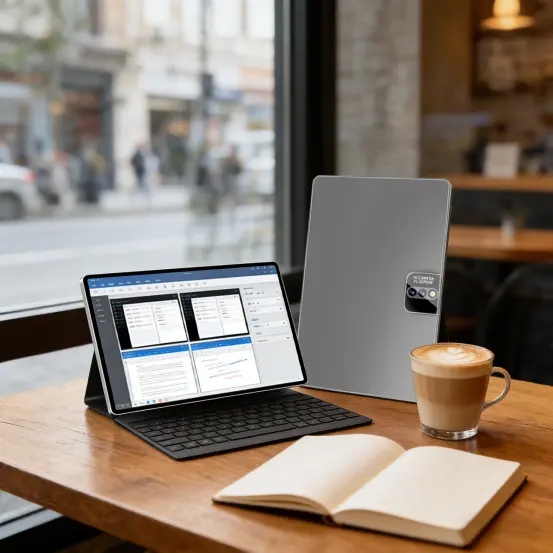
Laptops have redefined collaboration, enabling students to work on group projects seamlessly through Google Docs, Microsoft Teams, and Zoom. Real-time document editing, video conferencing, and virtual whiteboards break geographical barriers, allowing classmates to brainstorm ideas and receive instant feedback, even from remote locations. During the [COVID-19 pandemic], laptops played a pivotal role in ensuring educational continuity, with millions of students worldwide relying on digital classrooms to stay connected to their studies.
(Click the image to jump)
Personalized Learning and AI Integration
Advancements in artificial intelligence (AI) are further enhancing laptops’ educational potential. Adaptive learning platforms like use algorithms to analyze students’ strengths and weaknesses, generating personalized study plans and interactive quizzes. AI-powered language tools assist with essay writing and grammar correction, while coding tutorials with step-by-step guidance nurture digital literacy skills. Educators praise these tools for catering to individual learning paces, reducing the one-size-fits-all approach to education.
As laptops continue to evolve with faster processors, longer battery life, and touch-screen functionalities, their role in education is set to expand. Experts predict that by 10, 50% of students globally will rely on laptops as primary learning tools. While challenges such as digital equity and screen fatigue persist, ongoing innovations and educational policies are addressing these issues, ensuring that laptops remain catalysts for inclusive and transformative learning experiences. The future of education is undoubtedly digital, and laptops are at its core.
[Contact Information]For more information or interview requests, please contact:
Tel.: 86-18961003353
Email: iris@gisentec.com
[Organization/Outlet Details]Gisentec Group Co.,Limited
Post time: Apr-09-2026