
1.Lightweight and Portable Design
A major trend in the laptop industry is the pursuit of compactness, light weight, and enhanced portability. Manufacturers are focusing on reducing device thickness and weight without compromising performance. Ultra-thin laptops, including ultrabooks and 2-in-1 convertible devices, are becoming increasingly popular, meeting users’ needs for mobility in both professional and personal settings.

2.Dominance of Thin-and-Light Laptops
Thin-and-light laptops have become the leading product segment, accounting for approximately 80.2% of the global market share. These devices offer a balanced combination of performance, battery life, and portability, making them ideal for students, professionals, and frequent travelers.
3.Rise of 2-in-1 and Convertible Devices
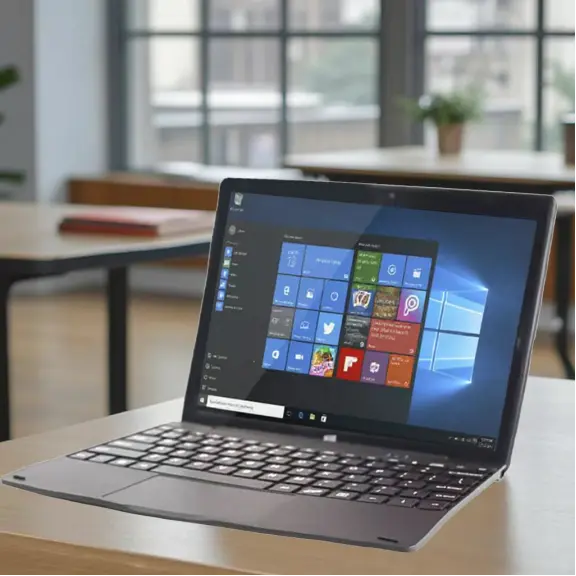
Convertibles and detachable laptops—devices that function both as traditional laptops and tablets—are gaining traction. Enabled by advancements in hinge design, touchscreens, and stylus support, these hybrids cater to diverse usage scenarios, from content creation to media consumption.
4.Performance Enhancement in Compact Forms
Despite their small size, modern laptops are equipped with high-performance components. Thanks to advancements in processor technology—such as Intel’s latest Core series and Apple’s M-series chips—laptops now deliver desktop-level performance in a portable form factor. Improved thermal management and energy-efficient architectures further enhance performance and battery life.
5.Growing Demand from Commercial and Enterprise Sectors
The commercial sector remains the largest application segment, occupying about 61.4% of the market. With the rise of remote work and digital transformation in enterprises, businesses are investing in reliable, secure, and scalable laptop solutions, driving demand for business-grade devices.

6.Technological Innovation as a Growth Catalyst
New operating systems (e.g., Windows 11), advanced processors, and emerging technologies (e.g., AI integration, faster SSDs, and high-resolution displays) are stimulating market growth. These innovations not only improve user experience but also expand the range of applications for laptops in fields such as design, engineering, and data analysis.
7.Market Concentration Among Leading Brands
The global laptop market is highly concentrated, with top manufacturers such as Lenovo, HP, Dell, Apple, and ASUS dominating the landscape. In 2022, the top four vendors captured around 71.0% of the global market share, indicating strong brand influence and economies of scale.

8.Competition from Alternative Devices
One of the main challenges facing the laptop industry is competition from smartphones and tablets, which have absorbed many casual computing and entertainment functions. To counter this, laptop makers are emphasizing productivity, multitasking capabilities, and professional software compatibility to differentiate their products.
9.Sustainable and User-Centric Design
There is a growing emphasis on sustainability, including the use of recyclable materials, energy-efficient components, and longer product lifecycles. Additionally, features such as improved keyboard ergonomics, anti-reflective screens, and advanced cooling systems reflect a user-centered design philosophy.

10.Market Growth Outlook
The global laptop market is projected to reach USD 165.67 billion by 2029, growing at a CAGR of 3.2% during the forecast period. This growth is supported by ongoing digitalization, education sector demand, and enterprise IT upgrades.
In summary, the laptop computer industry is moving toward a future defined by portability, performance, and versatility. As technology continues to advance, laptops will remain essential tools for work, education, and creativity in an increasingly mobile world.
Post time: Jan-02-2026