October 26, 2025, Beijing – From bustling emergency rooms to quiet rural clinics, tablets are no longer just consumer gadgets; they have become indispensable tools on the front lines of modern healthcare. With powerful computing capabilities, intuitive touch interfaces, and seamless connectivity, tablets are transforming every aspect of medical services, from diagnosis and treatment to patient communication and remote care.
Optimizing Clinical Workflows: Efficiency and Accuracy at the Point of Care
For healthcare professionals, tablets serve as a powerful "mobile clinical assistant," streamlining complex workflows and reducing medical errors.
- Mobile Rounds and Electronic Health Records (EHR): Doctors can now access comprehensive patient records, including lab results, imaging scans (such as X-rays and MRIs), and treatment histories, right at the bedside. This immediate access to information allows for more informed decision-making and faster diagnosis. As highlighted in a recent case at Emory Healthcare, nurses and physicians equipped with Apple devices reported significantly higher satisfaction and reduced eye strain thanks to the Retina display.
- Medication Management and Safety: Integrated barcode scanning and RFID technology enable nurses to scan patient wristbands and medication labels, ensuring the "five rights" of medication administration (right patient, right drug, right dose, right route, right time). This closed-loop system has been shown to reduce medication errors by up to 67% in hospitals like Sir Run Shaw Hospital.
- Real-time Data Collection and Monitoring: In specialized units like Neuro-Intensive Care Units (NICUs), custom applications on tablets can capture critical data, such as intracranial pressure (ICP) readings, in real-time. This allows for timely interventions and better management of critical conditions.
Enhancing Patient-Centered Care: Communication and Engagement
The impact of tablets extends beyond the medical staff, profoundly improving the patient experience.
- In-Room Patient Engagement: Tablets mounted at every bedside, such as those running the MyChart Bedside app at Emory Hillandale Hospital, empower patients to take an active role in their care. Patients can view their care plans, check test results, communicate with their healthcare team, order meals, and even access educational materials, all from the comfort of their beds.
- Combating Isolation and Connecting Families: During the COVID-19 pandemic, donated iPads became a lifeline for isolated patients, enabling them to have video calls with their loved ones, reducing the emotional burden of being apart. This simple yet powerful application provided immense comfort during a difficult time.
- Remote Monitoring and Chronic Disease Management: For patients in rural or underserved areas, tablets are a bridge to specialized care. A groundbreaking two-year randomized controlled trial, Nurse AMIE, demonstrated that providing rural advanced cancer patients with tablets for daily symptom assessments and self-management guidance significantly improved their quality of life, reduced symptom severity (such as pain and fatigue), and even increased their two-year survival rate by 19.2%.
Driving Innovation in Specialized Fields: AI and Rehabilitation
The integration of Artificial Intelligence (AI) with tablets is opening new frontiers in medical diagnostics and rehabilitation.
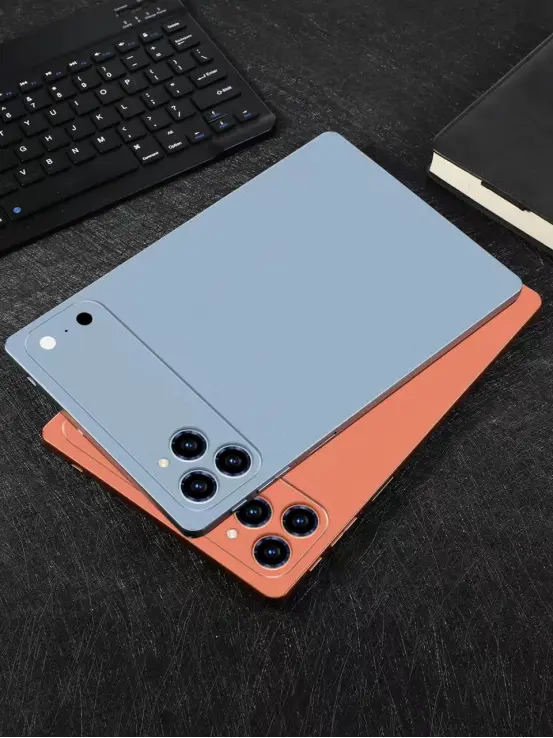
- AI-Powered Diagnostics and Rehabilitation: The "Longji Kang Musculoskeletal AI Rehabilitation Tablet" utilizes AI algorithms trained on over 500,000 clinical cases. It can perform a full-body posture scan in just three minutes, analyzing 11 key indicators of human alignment and balance. For conditions like scoliosis, it provides clinical-grade risk assessments. This technology not only standardizes diagnostic processes but also acts as a "super clinical assistant" for therapists, offering data-driven insights and personalized rehabilitation plans.
- Assistive Technology for Patients with Disabilities: Brain-computer interface (BCI) technology, as researched by the BrainGate consortium, allows paralyzed patients to control tablet computers using only their thoughts. This breakthrough restores communication and independence for individuals with severe motor impairments.
Challenges and the Road Ahead
While the benefits are clear, challenges remain regarding data security, system interoperability, and ensuring equitable access to this technology. However, the trajectory is undeniable. With robust security features built from the ground up, as seen in Apple's products, and continuous advancements in 5G connectivity and AI, tablets will become even more intelligent and integrated into the fabric of healthcare delivery.
"Tablets are not here to replace doctors and nurses," said a spokesperson from a leading medical technology company. "They are here to empower them, to free them from administrative burdens, and to provide them with the tools to deliver more precise, personalized, and compassionate care."
The journey of tablets in healthcare is just beginning, and their potential to create a more efficient, accessible, and human-centered healthcare system is truly transformative.
Post time: Dec-05-2025