
1.Market Overview
As we enter the final month of the year, the global tablet market has demonstrated steady resilience amid a competitive consumer electronics landscape. December 202X marks a pivotal period for the tablet industry, driven by year-end holiday sales, new product launches, and increasing demand for hybrid work and learning solutions. According to preliminary data from leading market research firms, global tablet shipments are projected to grow marginally year-on-year, with strong performance in key regions such as North America, China, and parts of Southeast Asia.

2.Key Market Drivers
Holiday Season Boost: December continues to be the strongest month for consumer electronics sales. Retailers and OEMs have rolled out aggressive promotions, bundle deals, and limited-time discounts, significantly stimulating consumer demand.
Education and Remote Work Demand: Despite the normalization of post-pandemic life, tablets remain essential tools in education and remote work. Governments and schools in emerging markets have continued procurement programs, supporting institutional demand.
5G and Foldable Innovation: The launch of 5G-enabled tablets and early-stage foldable models has reinvigorated consumer interest. Brands like Samsung, Apple, and Huawei have introduced premium models targeting tech-savvy users and enterprise clients.
3.Competitive Landscape

Apple maintains its leadership in the premium segment, with the iPad Pro (M2/M4 models) and iPad Air driving strong sales, particularly in North America and Europe. The integration of Apple Pencil and Magic Keyboard has strengthened its ecosystem advantage.
Samsung has gained ground with its Galaxy Tab S series, especially the Galaxy Tab S9 and S9 Ultra, which feature enhanced S Pen functionality and DeX mode for desktop-like productivity. Its aggressive pricing in the mid-range Tab A series has also expanded market reach.
Huawei remains a dominant player in China, leveraging its HarmonyOS ecosystem and strong local brand loyalty. The MatePad Pro series, supporting multi-device collaboration, has been well received in both education and business sectors.
Amazon and Lenovo continue to dominate the budget segment. The Amazon Fire tablet lineup, priced under $150, is a top choice for holiday gifting, while Lenovo’s Yoga and Tab M series are popular in education and enterprise deployments.
4.Emerging Trends
AI Integration: Early adopters are beginning to incorporate on-device AI features, such as intelligent note-taking, voice transcription, and adaptive learning apps. This trend is expected to accelerate in 202X.
Sustainability Focus: Major brands are emphasizing eco-friendly materials, recyclable packaging, and longer software support cycles—responding to growing consumer and regulatory pressure.
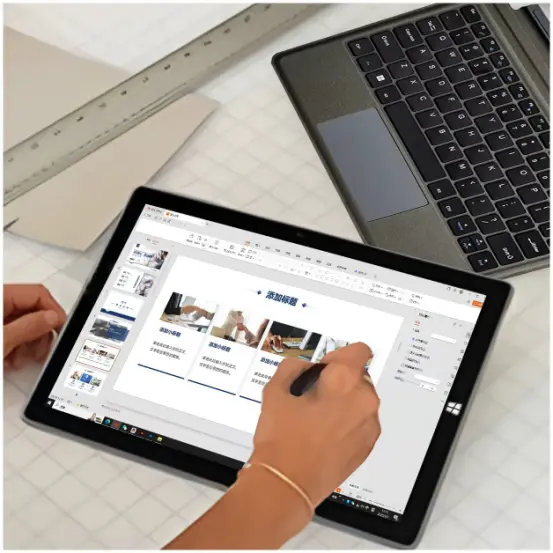
Accessories Ecosystem: Styluses, keyboards, and docking stations are increasingly sold as bundled packages, enhancing tablet functionality and blurring the line between tablets and laptops.
5.Regional Insights
North America: Strong holiday demand, especially for Apple and Samsung devices. Educational institutions have placed year-end orders for classroom deployment.

China: Domestic brands lead, with Huawei and Xiaomi capturing over 60% of the market. Government digitalization initiatives in rural education are fueling growth.
Europe: Mixed performance; Western Europe shows stable demand, while Eastern Europe sees growth in budget tablets due to economic constraints.
Emerging Markets (India, Southeast Asia, Latin America): Rising internet penetration and affordable 5G models are expanding the user base. Localized content and education apps are driving adoption.

6.Challenges and Outlook
Despite positive momentum, the market faces challenges including component supply fluctuations, inflationary pressures, and saturated markets in developed regions. However, innovation in form factors (e.g., foldable screens), AI capabilities, and cross-device integration present significant growth opportunities.
Looking ahead to 202X, the tablet market is transitioning from a "secondary device" to a "versatile productivity hub." With the holiday season providing a strong close to the year, industry analysts project a modest but stable growth trajectory, setting the stage for a more dynamic and innovative phase in the coming year.
Conclusion
December 202X reflects a mature yet evolving tablet market—no longer just a consumption device, but a central node in personal and professional digital ecosystems. As brands compete on ecosystem strength, design innovation, and intelligent features, consumers stand to benefit from greater choice and functionality. The future of tablets is not just about screen size, but about seamless integration into everyday life.
Post time: Dec-15-2025